
Slovakia and the Czech Republic share historical and cultural ties, but their cuisines have distinct flavors, ingredients, and traditions. This guide explores the key differences between Slovak and Czech cuisine, from staple dishes to unique regional influences. Whether you're a food lover, chef, or wholesaler, understanding these differences will help you appreciate the rich culinary heritage of both nations.
The Origins of Slovak and Czech Cuisine
A Shared History, But Distinct Culinary Paths
Both cuisines were influenced by Austro-Hungarian traditions, but Slovakia has stronger Hungarian, Polish, and Balkan influences, while Czech cuisine leans more towards German and Austrian flavors. Slovakia’s mountainous regions led to heartier, rustic dishes, while Czech cuisine has a richer beer and meat culture.
Common Ingredients in Both Cuisines
-
Meats: Pork, beef, and poultry are popular, but Czech dishes favor roast meats, while Slovaks use smoked meats and sausages more frequently.
-
Dairy: Both cuisines rely on cheeses, but Slovakia is famous for bryndza (sheep cheese), while the Czech Republic is known for soft and aged cheeses.
-
Dumplings & Breads: Czech cuisine has bread dumplings (knedlíky), while Slovakia features potato-based dumplings (halušky).
Signature Dishes of Slovak and Czech Cuisine
Slovak Signature Dishes
-
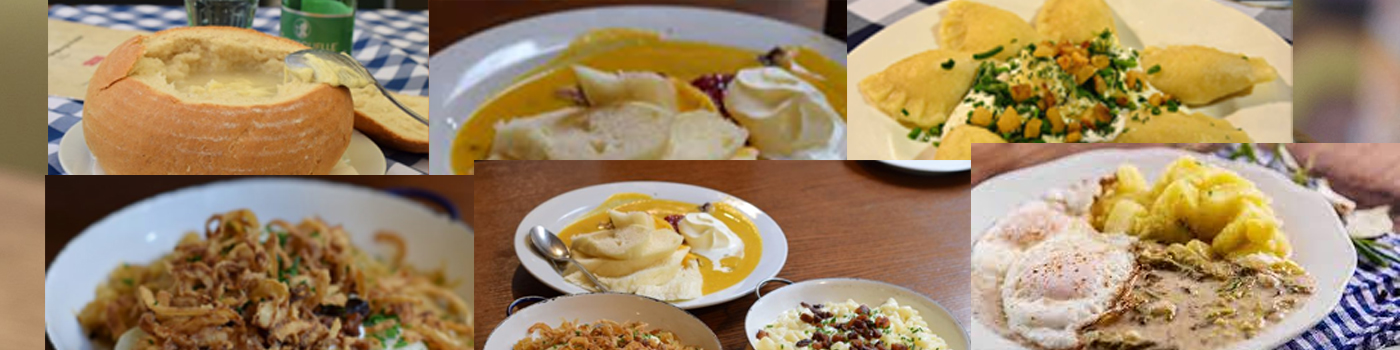
Bryndzové Halušky – Potato dumplings with bryndza cheese and bacon (Slovakia’s national dish).
-
Kapustnica – Sauerkraut soup with smoked sausage and mushrooms, popular during Christmas.
-
Šúľance s Makom – Sweet potato dumplings coated in poppy seeds and sugar.
-
Langoš – Deep-fried flatbread topped with garlic, cheese, and sour cream, influenced by Hungarian cuisine.
-
Oštiepok – Smoked Slovak sheep cheese, often grilled and served as a starter.
Czech Signature Dishes
-
Svíčková na Smetaně – Marinated beef sirloin in a creamy vegetable sauce, served with dumplings.
-
Vepřo Knedlo Zelo – Roast pork with bread dumplings and sauerkraut, a Czech national dish.
-
Trdelník – A sweet, spit-roasted pastry, coated in sugar and cinnamon.
-
Palačinky – Thin Czech-style pancakes filled with jam, Nutella, or whipped cream.
-
Tvarůžky – Aged Czech cheese, known for its strong aroma and tangy flavor.
Differences in Cooking Techniques
Czech Cuisine: Roasting, Braising, and Beer-Based Cooking
Czech dishes are rich and slow-cooked, with beer used in sauces and stews (e.g., Guláš). Bread dumplings are a staple, served with thick sauces.
Slovak Cuisine: More Rustic and Dairy-Heavy
Slovakia favors smoked meats, sheep cheese, and potatoes over rich gravies. Dishes like bryndzové halušky highlight Slovakia’s dairy culture.
The Role of Beverages in Slovak and Czech Cuisine
Beer Culture: The Czech Republic as the Beer Capital
The Czech Republic is famous for its beer culture, with Pilsner and Budvar leading the way. Pork-based dishes and beer go hand-in-hand in Czech cuisine.
Slovak Drinks: Kofola, Herbal Liqueurs, and Wines
Slovakia is known for Kofola (herbal cola), Tatratea (herbal liqueur), and Tokaj wines. Slovak cuisine pairs well with light fruit wines and traditional spirits.
Desserts & Sweets – Slovak vs Czech Pastries
Slovak Desserts
-
Makovník – Poppy seed roll, a favorite in Slovak bakeries.
-
Medovníky – Honey spice cookies, enjoyed during the holidays.
-
Opekance s Makom – Bread dumplings soaked in milk and covered in poppy seeds.
Czech Desserts
-
Koláče – Round pastries filled with poppy seeds, cheese, or jam.
-
Buchty – Sweet yeast buns stuffed with fruit or sweet cheese.
-
Trdelník – The popular chimney cake found at markets and street stalls.
Where to Buy Authentic Slovak and Czech Ingredients
If you want to recreate these traditional Slovak and Czech dishes, using authentic ingredients is essential.
Shop wholesale Slovak and Czech ingredients at Slovakia Foods and bring true flavors to your kitchen or business.
FAQs About Slovak and Czech Cuisine
1. What is the biggest difference between Slovak and Czech cuisine?
Slovak cuisine is more rustic and dairy-heavy, featuring sheep cheese and smoked meats, while Czech cuisine emphasizes roast meats, rich sauces, and beer-based dishes.
2. Is Slovak food spicier than Czech food?
Not necessarily. Slovak cuisine has Hungarian influences, but neither Slovak nor Czech food is traditionally spicy. They rely more on herbs and mild spices.
3. Why does Czech cuisine use beer in so many dishes?
Beer has been a staple in Czech culture for centuries, and it enhances the flavor of stews, sauces, and roasts, making them richer and more complex.
4. What is Slovakia’s national dish?
Bryndzové Halušky, which consists of potato dumplings topped with bryndza cheese and bacon.
5. Are dumplings different in Slovakia and the Czech Republic?
Yes. Czech cuisine features bread dumplings (knedlíky), which are soft and absorb sauces well, while Slovak dumplings (halušky) are potato-based and often served with cheese or cabbage.
6. Which cuisine is more vegetarian-friendly?
Both cuisines include vegetarian dishes, but Slovak food relies more on dairy and potatoes, while Czech food incorporates more bread-based dishes.
7. What is the most famous Czech dessert?
Trdelník, a sweet, spit-roasted pastry coated in sugar and cinnamon, is one of the most famous Czech desserts, popular at markets and street stalls.
8. Can I find Slovak and Czech ingredients outside of Europe?
Yes, many online retailers and specialty stores sell authentic Slovak and Czech ingredients worldwide.
9. Are there any fusion dishes combining Slovak and Czech flavors?
Yes, modern chefs experiment with dishes that incorporate elements from both cuisines, such as fusion dumplings or innovative takes on traditional pastries.
10. What drinks are most commonly paired with Czech and Slovak dishes?
Czech food is often paired with beer, while Slovak cuisine pairs well with Kofola, fruit wines, and herbal liqueurs.